Course Review

Overview

Concluding the journey and preparing to do good research in the wild.

Presented by:
Larry Vincent,
Professor of the Practice
Presented to:
MKT 512
April 30, 2026

Mark your calendars…

Tuesday, May 12 @ 11am

Final Charrette via Zoom

ToDo: Peer Evals

Course Wrap-Up

Learning Objectives

  • Use customer data to generate marketing insights and develop optimal business strategies
  • Evaluate management decisions that maximize customer profitability and customer satisfaction
  • Design and execute custom research that drives successful CRM programs

Marketing’s purpose

Acquire, retain, and develop customers who maximize the organization’s capability to achieve its financial objectives and sustain its competitive advantage.

How research adds value

Four themes

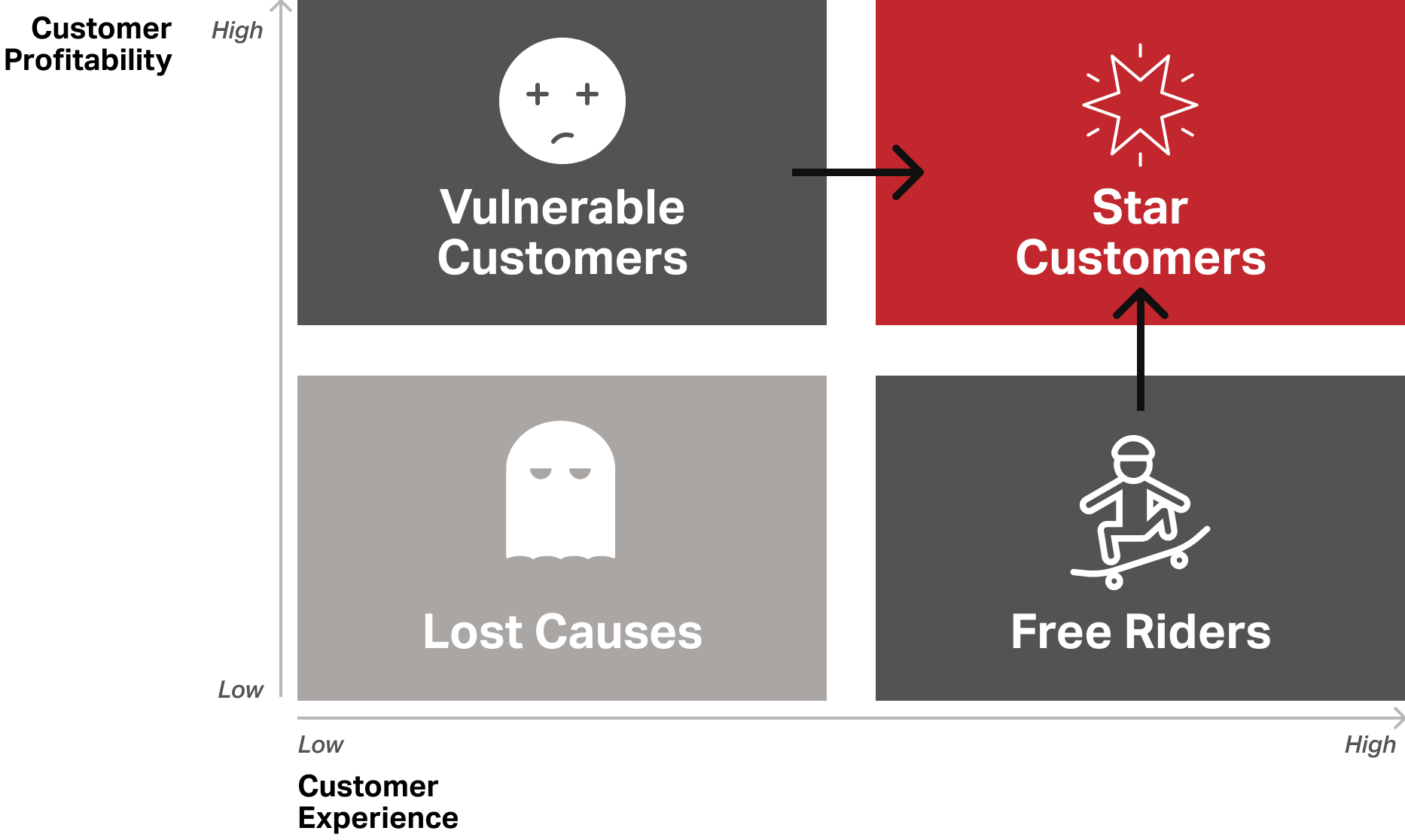
  1. Customer relationships should make dollars and sense.
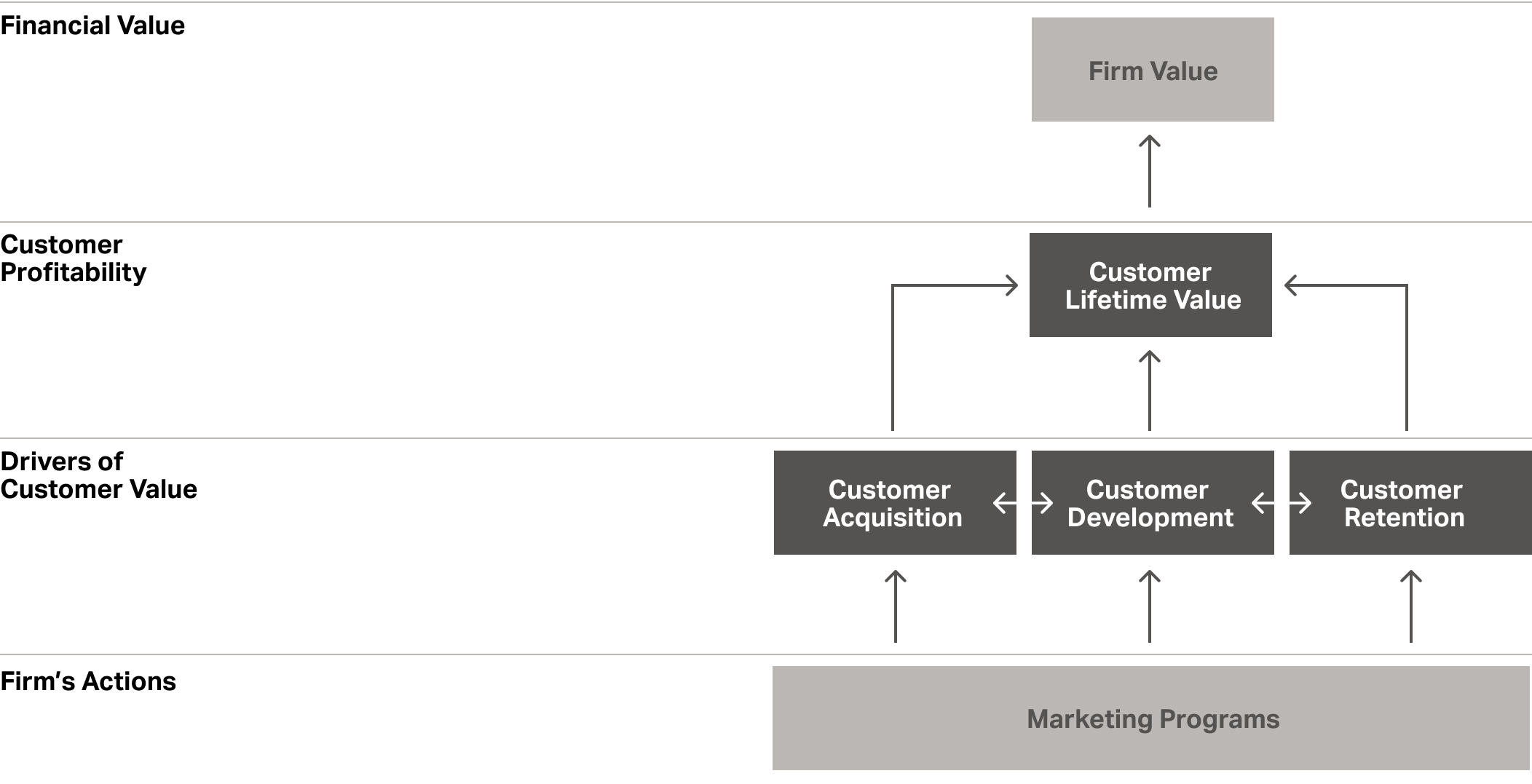
    Use CRM to quantify the value of a customer and make better acquisition, development, and retention decisions
  2. Research unlocks the R in CRM.
    Use qualitative research to understand the hidden meanings and implicit rules of your customer relationships
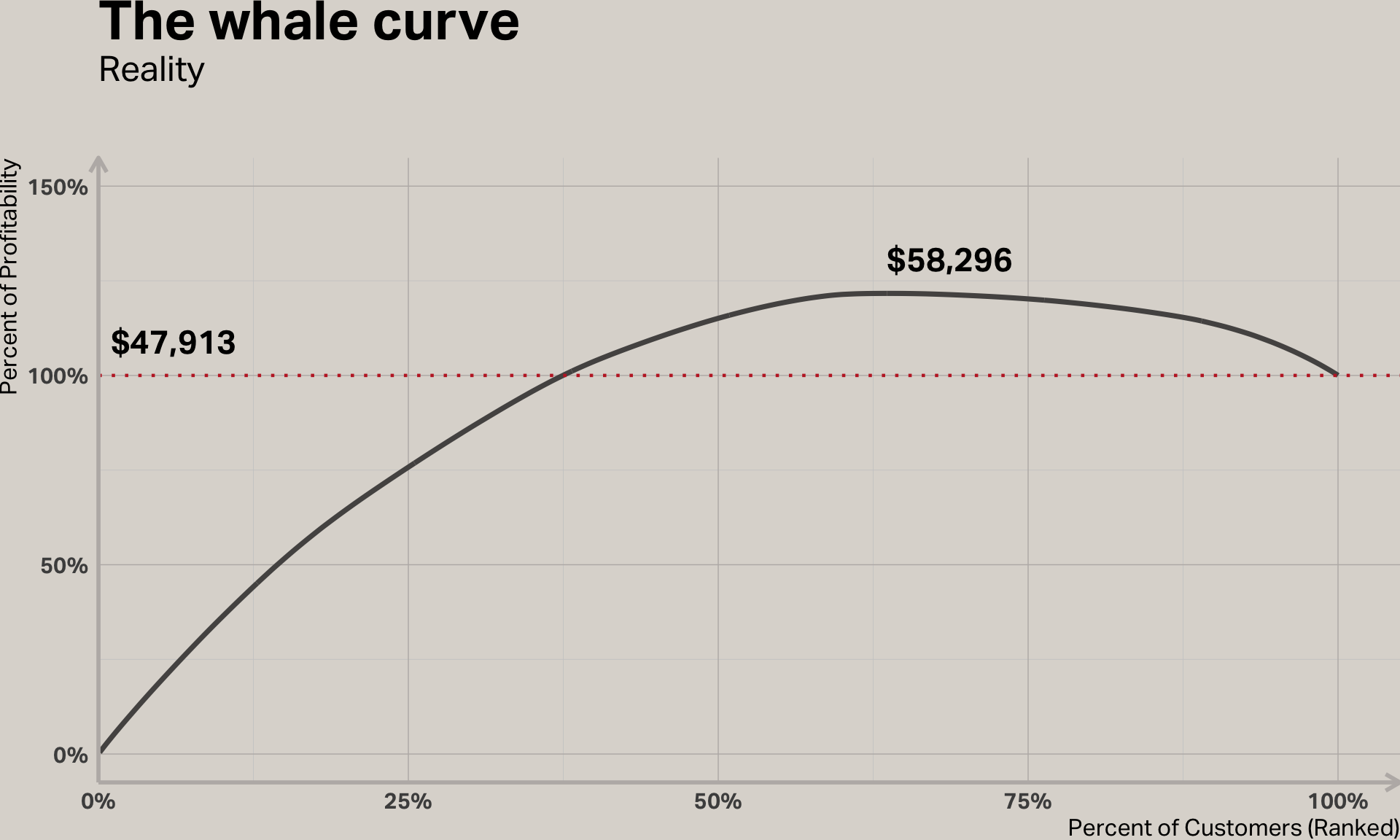
  3. All customers are not created equal.
    Use segmentation to align your offerings with differing needs and preferences within your customer base
  4. Actions are more reliable than words.
    Use experimental research to model customer behaviors that make marketing programs more effective

Customer relationships
should make
dollars and sense.

CRM Model
Customer-centricty

A strategy that aligns development and delivery of a company’s products and services with current and future needs of a select set of customers in order to maximize long-term financial value to the firm.

What it means to be
customer-centric

  1. Think like customers
  2. Prioritize things customers want to do over the things we marketers would like them to do
  3. Data should inform decisions
  4. Anticipate customer needs rather than react
  5. Build marketing around customer’s mindset rather than force your mindset on customer

Customer management

(Qualitative) Research unlocks the R of CRM.

Research approaches

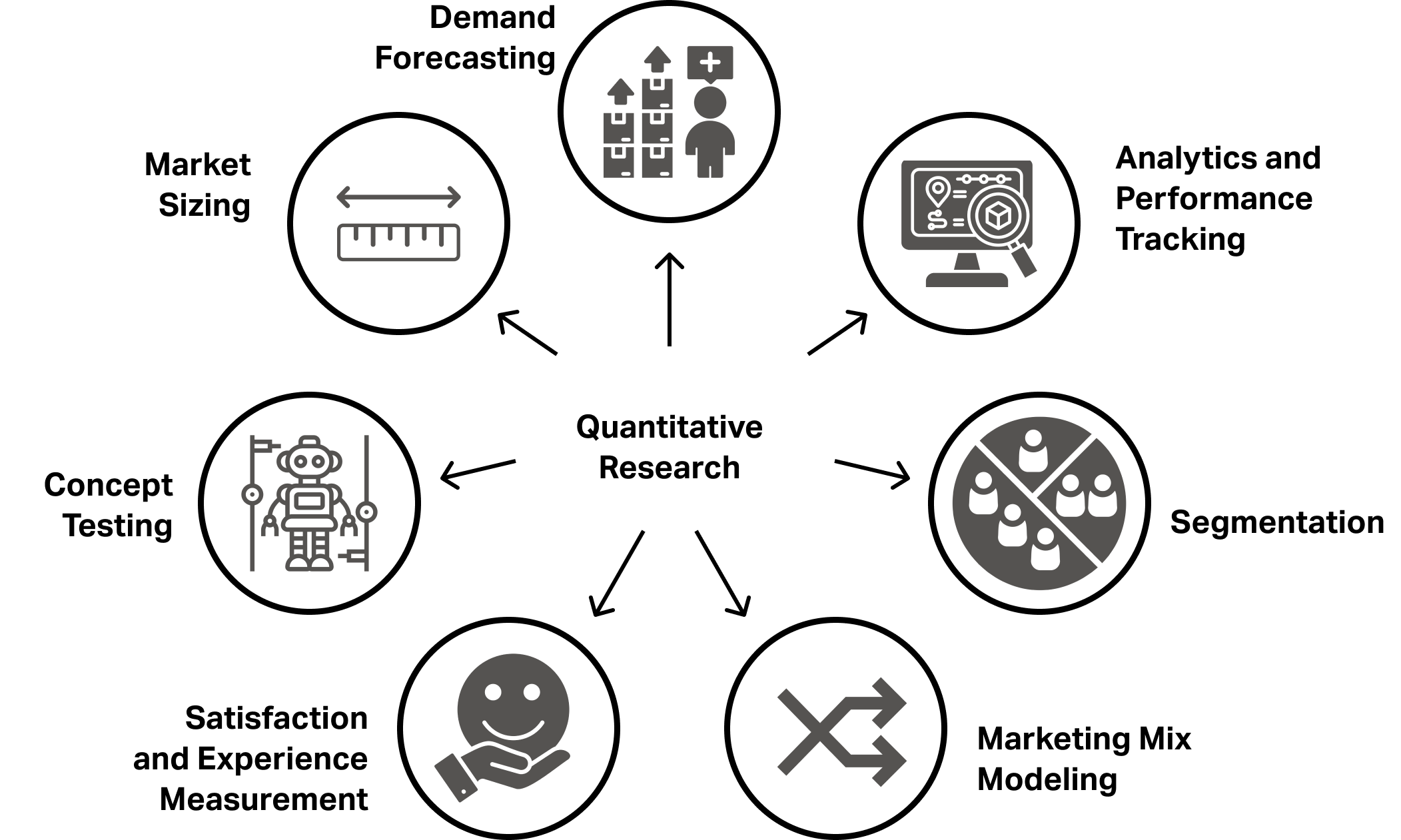
Quantitative

  • Categories defined precisely before study begins
  • Narrow field of vision
  • Force respondents to respond readily and unambiguously
  • Requires statistically significant sample size
  • More focused on techniques (i.e. statistical approaches)

Qualitative

  • Categories are defined during study process
  • Broader range and less precise field of vision
  • Allows respondents to elaborate; use own language
  • Allows smaller samples
  • Focused on collective wisdom and interpretation

Source: Grant McCracken; The Long Interview

The psychology of response

Common heuristics

Availability

  • Relying on immediate examples when evaluating something.
  • Can lead to: Overestimating importance of recent or memorable events.

Representativeness

  • Assessing similarity of objects and organizing based on category prototype.
  • Can lead to: Stereotyping or ignoring base rates.

Anchoring

  • Relying heavily on first piece of information encountered.
  • Can lead to: Biased decision-making, especially in estimations.

Laddering

Depth interview technique used to uncover deeper, often subconscious motivations behind individual decisions and behaviors.

Purpose:
Identify chain of thought that leads from:

AttributesConsequencesValues or Motivations.

  • Start broad (“Why do you like the camera on this phone?”)
  • Probe (“What does having a good camera allow you to do?”)
  • Link to value/motivation (“Why is capturing high-quality photos important to you?”)

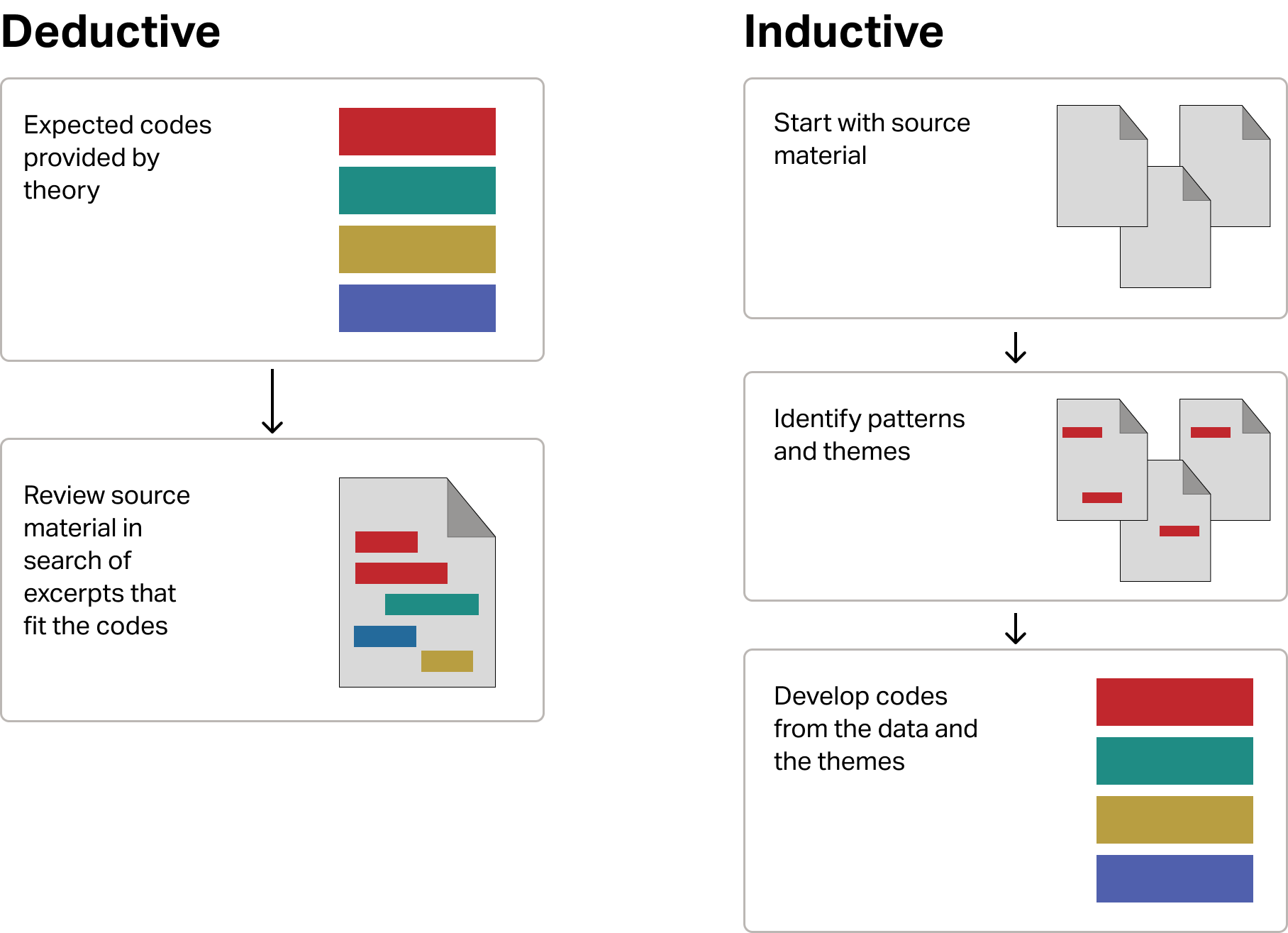
Qualitative coding

All customers are not created equal.

Clustering techniques

  • Unsupervised learning technique that identifies patterns in data without pre-existing labels.
  • Most common techniques include K-Means, Hierarchical Clustering, and Mixture Models. These algorithms group customers into segments based on similarities in their data, revealing distinct customer profiles.
  • Requires careful data preparation and pre-processing. Also requires analyst to use their wisdom and judgment.
  • Used to create more effective targeting and customer development strategies.

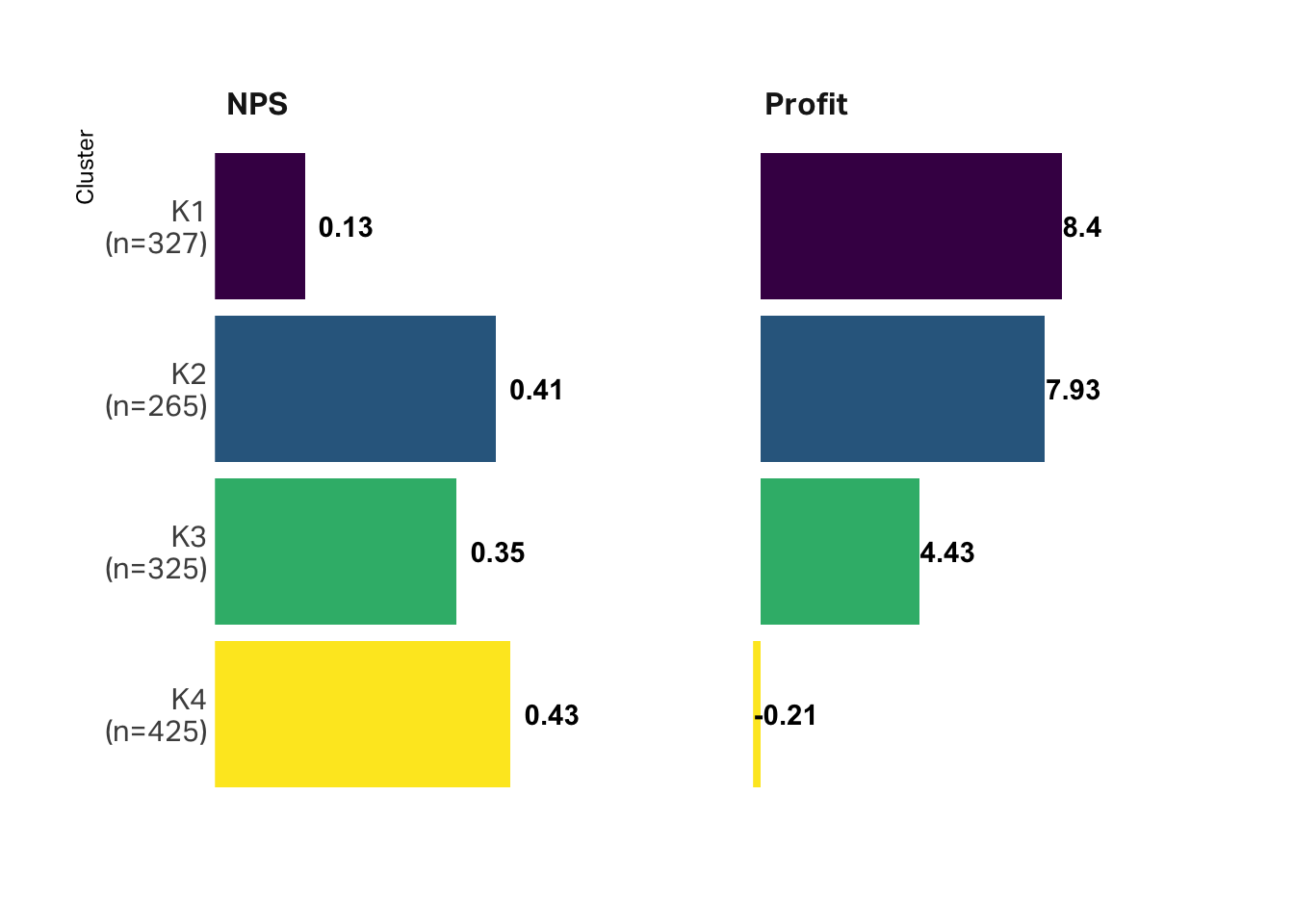
Clustering for Hecuba

Actions are more reliable than words.

Survey research

  • Systematic way to understand attitudes, behaviors, and experiences at scale
  • Enables population statistical inferences from small samples
  • Generates standardized, quantifiable data for decision-making
  • More cost-effective than other research methods
  • Critical and flexible validator for decision-making

Latent data and
multi-item scales

Factor analysis

  • Approach to detect latent variables that influence behavior.
  • Family of multivariate statistical techniques that explore correlations between variables.
  • Alse useful in dimension reduction.

Experimental research

  • Manipulation of one or more independent (or predictor) variables to determine influence on an dependent (or outcome) variable.
  • Crucial for establishing cause-and-effect relationships.
  • Key components: control of external factors that might influence outcomes, ensuring any changes in dependent variable are due to manipulation of independent variable(s), and randomization in participant selection or assignment to experimental groups.
  • Widely used in marketing research to test effectiveness of new products, programs, and strategies.

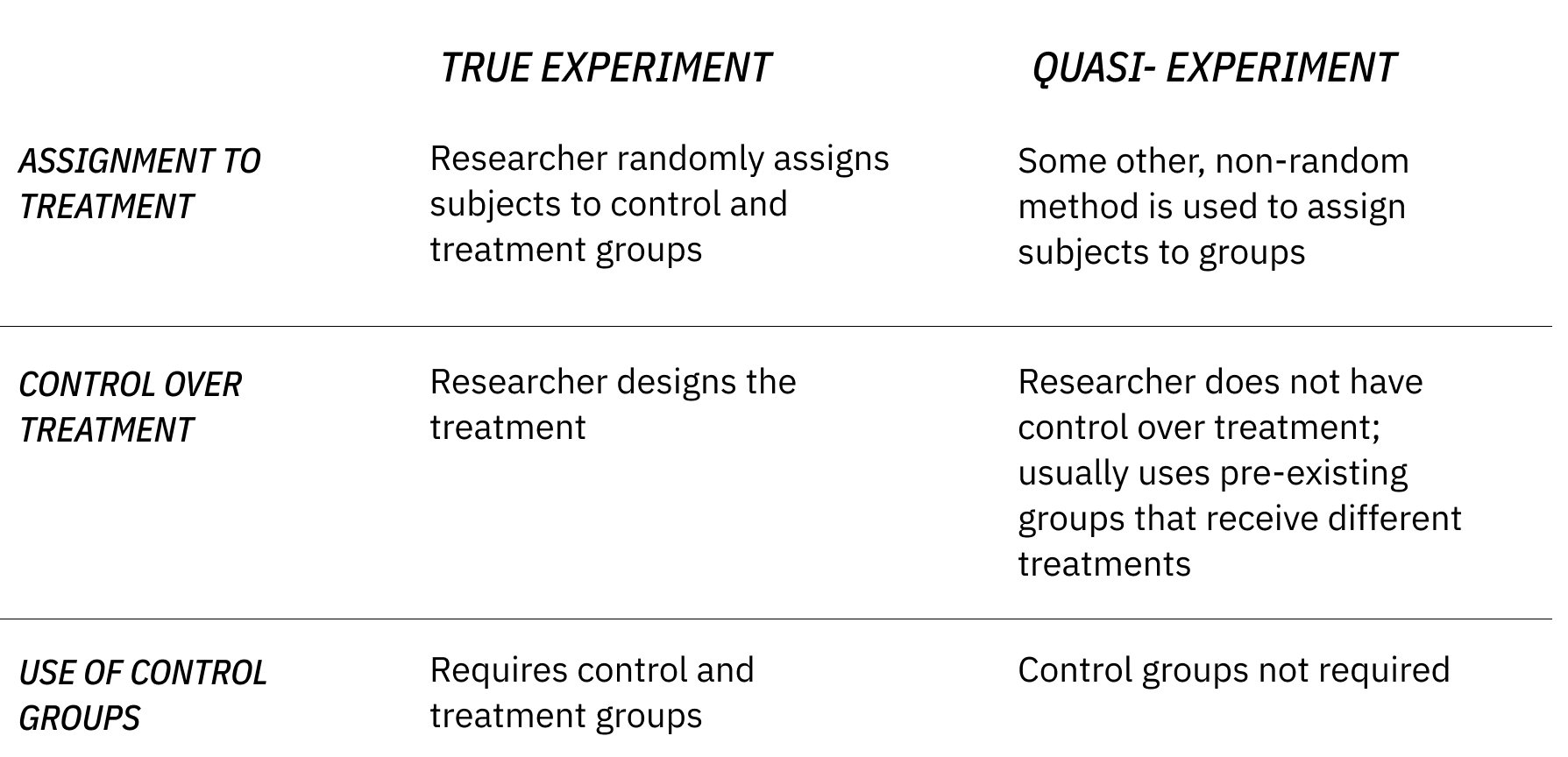
Experimental types

Final thoughts

Research and your career

  • Interview the interviewer.
  • Use your charrettes as a calling card
  • Take advantage of the wealth of data you have access to
  • Focus more on learning the techniques rather than the tools
  • Be a good data scientist AND a good human

My 3Es of
customer research

Empathy

Experimentation

Execution

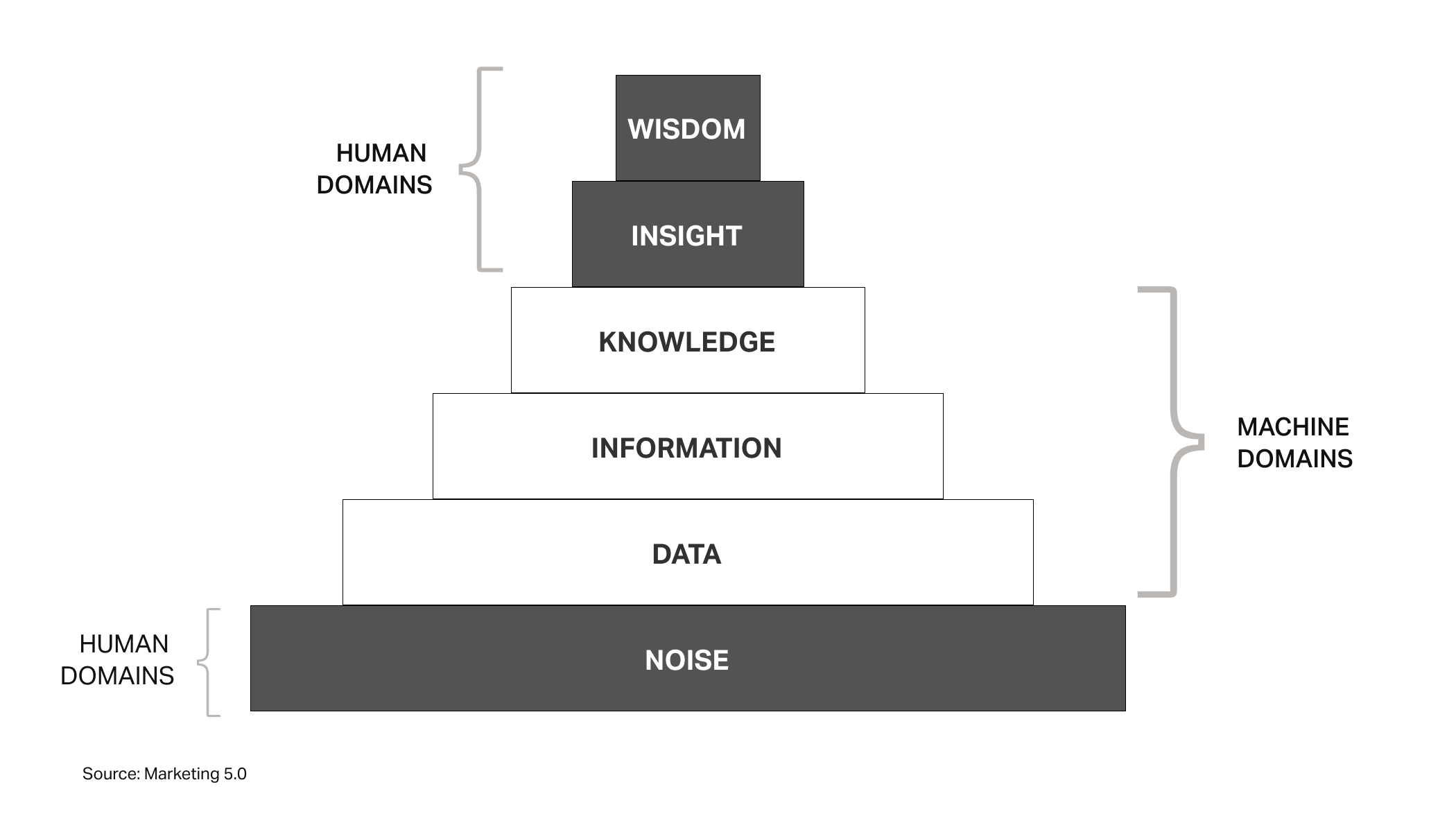
Marketing in the
Age of AI

Let’s stay in touch!

  • Connect with me on LinkedIn (www.linkedin.com/in/laurencevincent)
  • Follow me on Insta @larry.vincent (buyer beware!)
  • Check out The Findings Report blog and podcast
    (www.findingsreport.com)
  • Call, text, Zoom, stop by my office

Let’s make it
about you.

An important assignment…