Qualitative Research

Overview

Introduction to qualitative field work, with discussion of alternative methods and approaches.

Presented by:
Larry Vincent,
Professor of the Practice
of Marketing
Presented to:
MKT 512
March 3, 2026

Intro to
Qualitative

What’s the difference?

Quantitative

  • Categories defined before study
  • Narrow field of vision
  • Force respondents to respond readily and unambiguously
  • Requires statistically significant sample
  • More focused on techniques (i.e. statistical approaches)

Qualitative

  • Categories are defined during study
  • Broader range and less precise vision
  • Allows respondents to elaborate; use own language
  • Allows smaller samples
  • Focused on collective wisdom and interpretation

Source: Grant McCracken; The Long Interview

Deductive vs. Inductive

Deductive vs. Inductive

Deductive vs. Inductive

Qualitative modes

  • Exploratory–define problems in more detail; suggest hypotheses to be tested in later research; generate concepts; get preliminary reactions to concepts; pretest structured questionnaires
  • Orientation–learn consumer’s vantage point and vocabulary; gain insight into an environment that is unfamiliar to the researcher (or research sponsor)
  • Clinical–gain insight into specific topics that are hard or impossible to pursue with surveys or more structured approaches

Qualitative research is not as simple as it seems on the surface.

I was surpised to learn that I couldn’t just ask customers to answer the questions my boss wanted answered.


Former Student

On his experience interviewing over his internship

Data collection

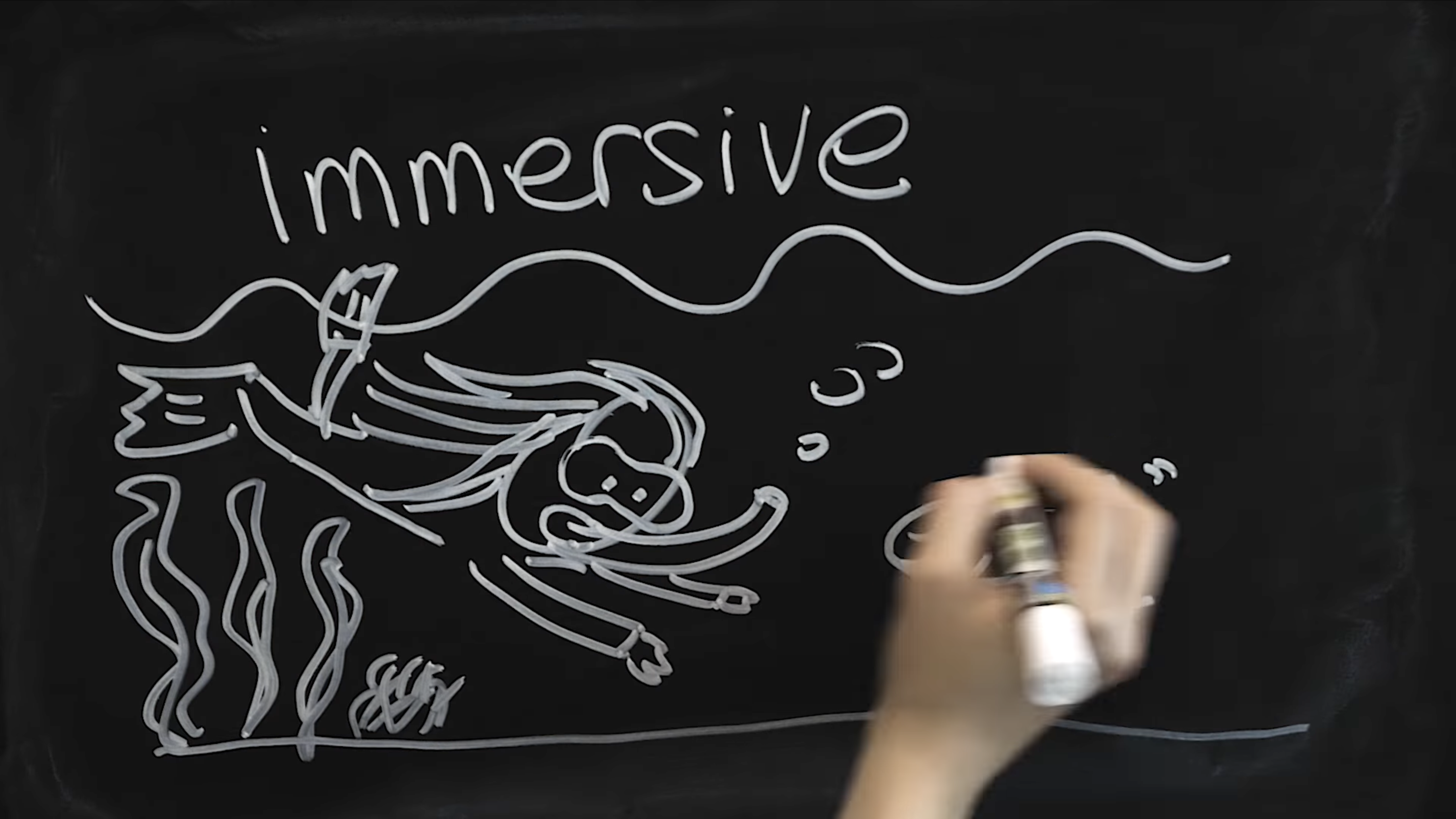
Ethnography

  • Immersive
  • Real life without disruption
  • Applies social and cultural theories or wisdom to sample of population
  • Actionable by working in complementary practices

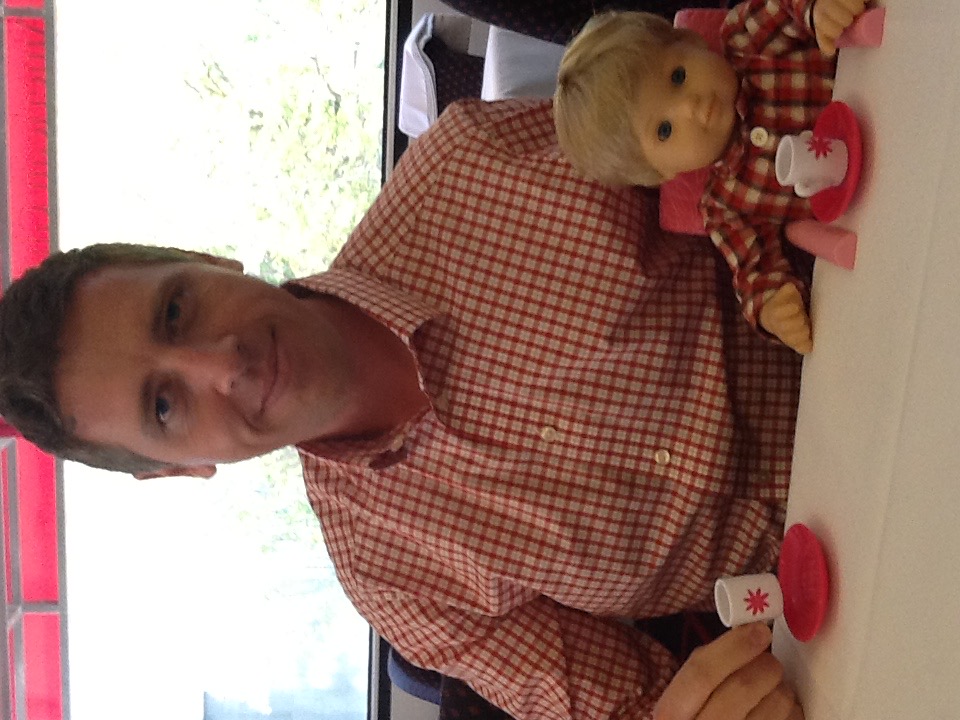
American Girl

Depth interviews

Depth Interviews

Creating a discussion guide

  • Start with a long list of questions generated by the team that might be included
  • As a team, prioritize the questions that matter most (connect “research questions” to interview questions)
  • Organize the sequence of questions to facilitate conversation flow, while also considering response psychology and heuristics challenges
  • Agree on formats, techniques, and approaches the entire team understand and can execute against
  • Pilot questions (test with outsiders or small sample of audience)

Interviewing

  • Prefer open-ended questions; if you ask a closed-end question, follow up with qualitative probes
  • Be concise–prefer short, precise questions
  • Ask easy questions first; harder ones later
  • Summarize what you hear and ask respondent to confirm; rephrase and clarify ambiguous responses
  • Use stimuli to facilitate discussion, particularly for memory and behavioral questions
  • Consider using ranking or summarizing questions to help you and the respondent establish discussion “pastures”
  • Don’t be afraid to ask “obvious” questions

Whenever possible, pair up for interviews.

## Laddering

Projective techniques

  • Best used when question/subject may be hard for the respondent to answer directly
  • Often useful when studying behaviors and attitudes
  • Good for establishing meaning behind buying, using, and/or owning products/brands
  • Work because many topics we wish to explore are sub-conscious. Projective techniques provide safe distance and perspective for respondents

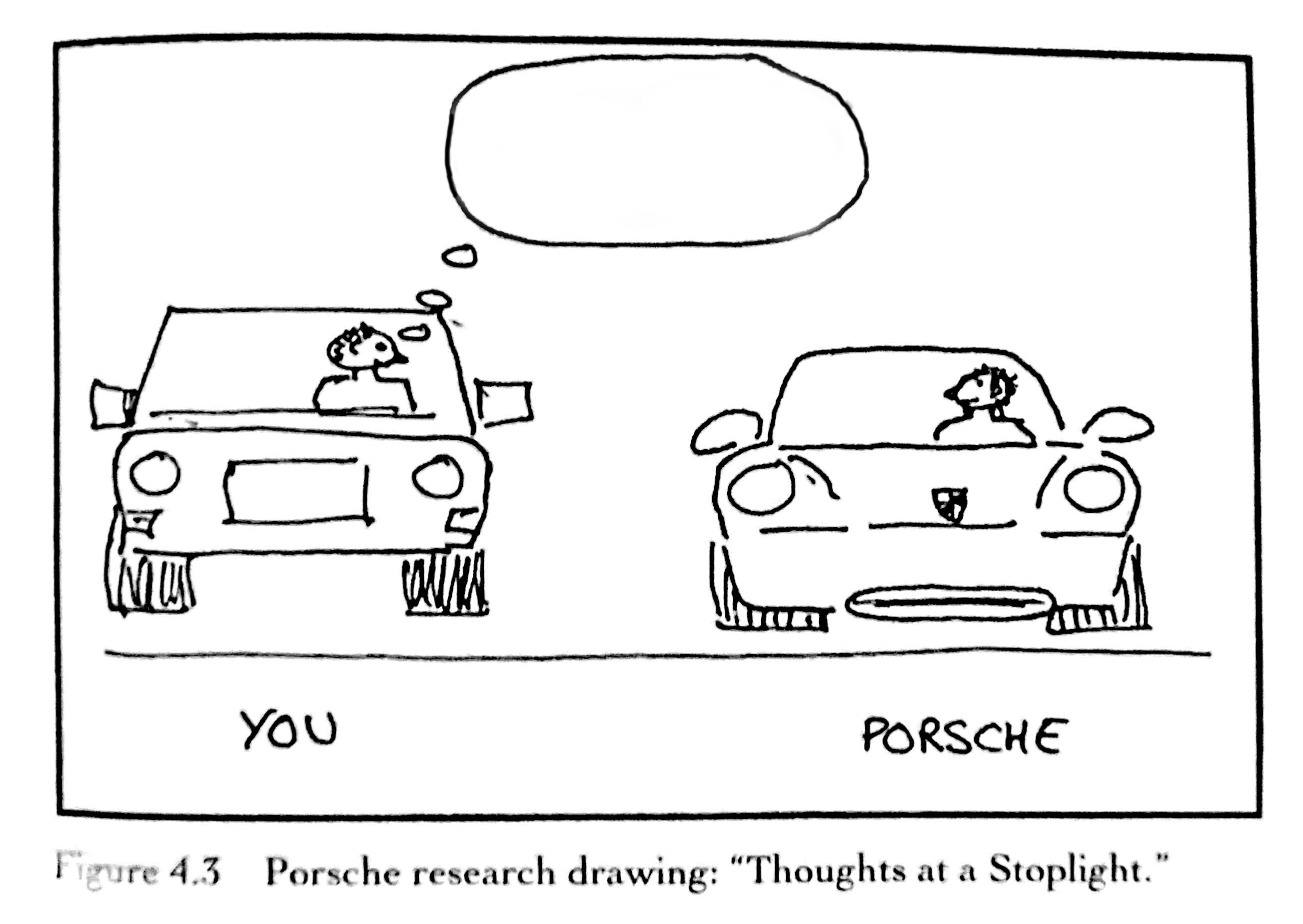
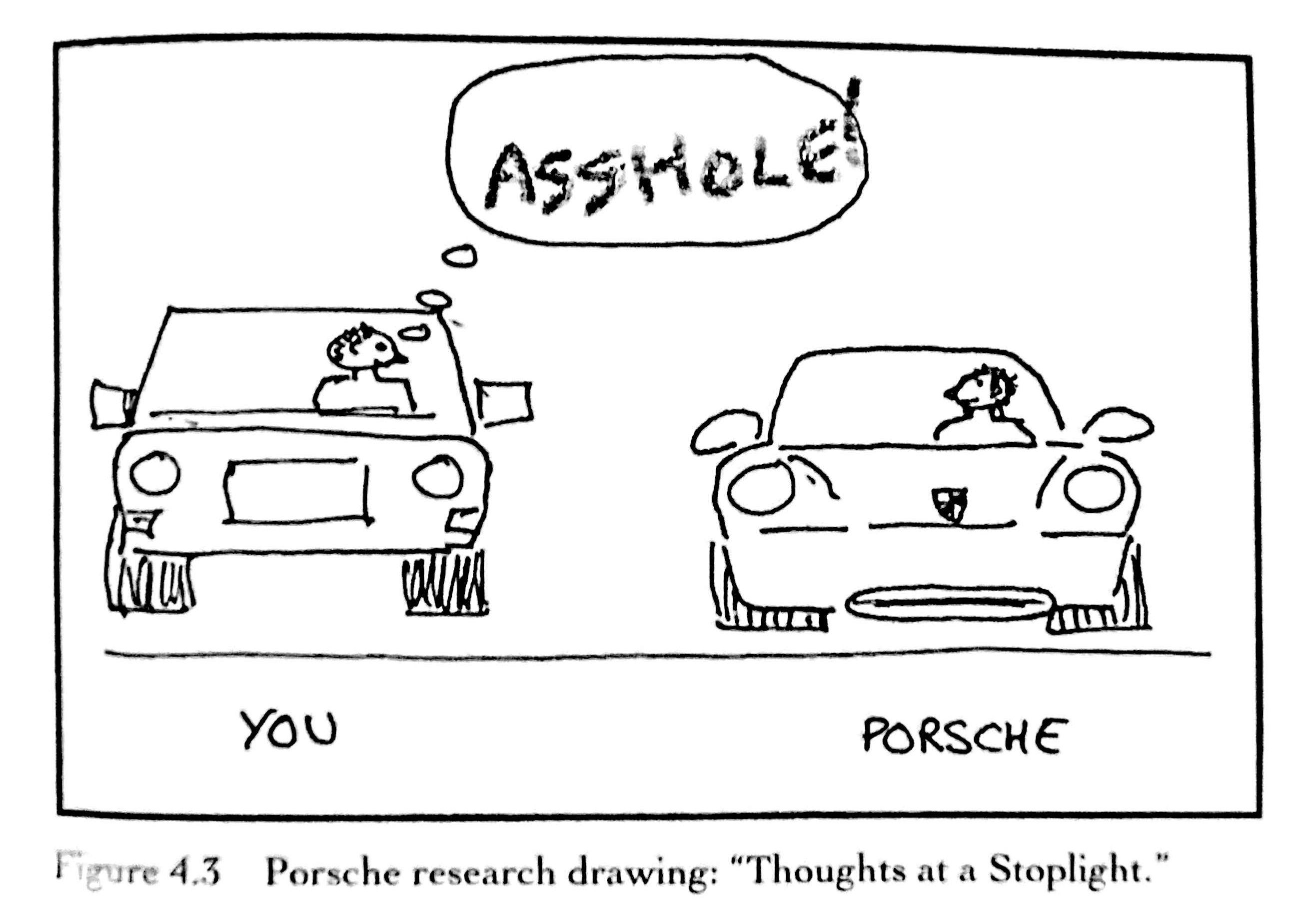
Completion Test

People who wear Crocs are __________


A picture can be worth a thousand words.

:::

Use caution when quantifying qualitative data.

Case example