Sampling
Overview
Understanding the challenges and the nuances of selecting the right audience for your study.
MKT 512
February 10, 2026

Customer research process
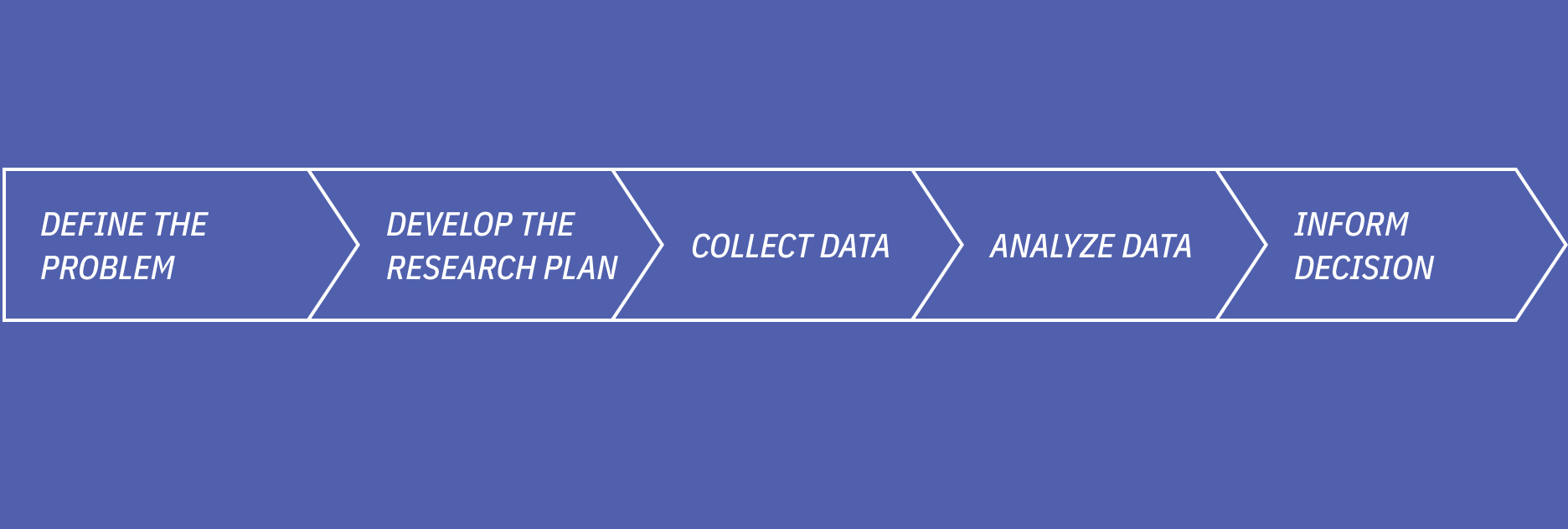
Preparing for marketing research

Preparing for marketing research

Case: Farapulse
Background:
New technology acquired by Boston Scientific (BSI) that improves the efficacy for patients who receive ablation for AFib. Ablation is an existing category of procedures that has been around for 30+ years. BSI wishes to gain share in category before competitors replicate their innovative technology that is in-market, and FDA approved.
Project:
Qualitative research requested on patients to understand perceptions of ablation, generally, and reaction to potential positioning concepts.
Question:
Who should participate in the research?

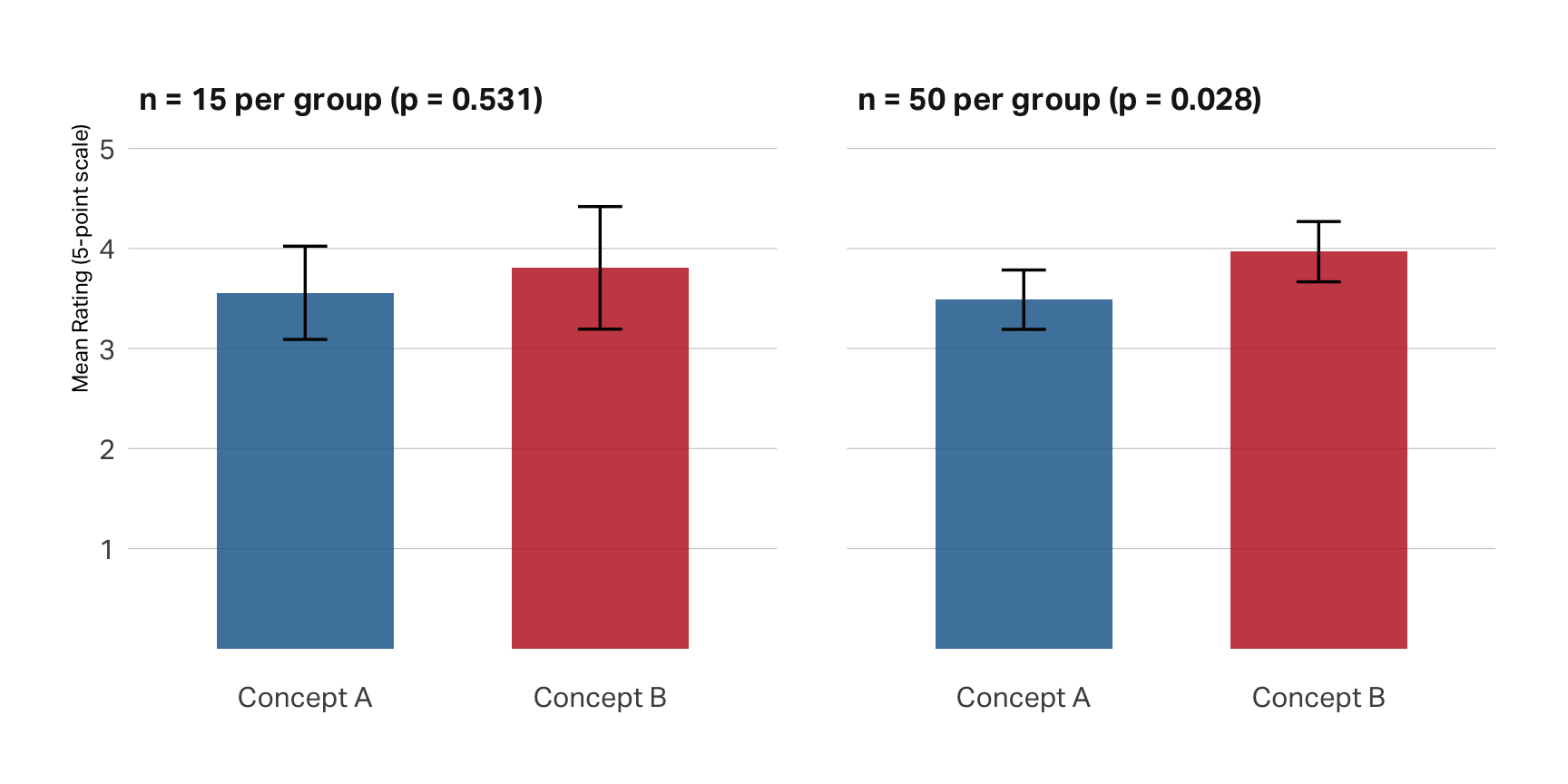
Why sample size matters
Scenario: You’re testing two positioning concepts for a brand. Concept B actually performs better than Concept A (true mean: 4.0 vs. 3.5). The difference is real. But can your study detect it?
Airbnb
Background
In 2015-2016, Airbnb used post-stay surveys to measure guest satisfaction and improve service.
Research Method
Satisfaction surveys sent to guests after their stays. Survey asked guests to rate various aspects of experience. Ratings used to calculate satisfaction score.
Issue
Satisfaction scores showed over 90% positive ratings but qualitative feedback from customer service interactions and online reviews painted a different picture, suggesting many issues and complaints.
What Went Wrong?