How people process and respond to marketing research questions—biases, heuristics, and cognitive response patterns.


Availability

Representativeness

Anchoring
Write down as many brands as you can think of that are associated with artificial intelligence.
Don’t start with the obvious–Avoid leading with high-profile examples (e.g., ChatGPT, Tesla) before participants respond.
Broaden the frame–Ask open questions that invite multiple categories (e.g., “What brands, companies, or technologies come to mind when you think of AI?”).
Encourage recall beyond the recent-–Prompt with timeframes (“thinking back over the last 10 years…”) to reduce recency effects.
Rotate prompts-– If showing stimuli (logos, ads, concepts), vary the order across groups.
Probe for the less familiar–-Follow up with: “Are there any others that may not be as widely known?”
Be mindful of silence–-Resist filling gaps with your own examples; let participants stretch their memory.
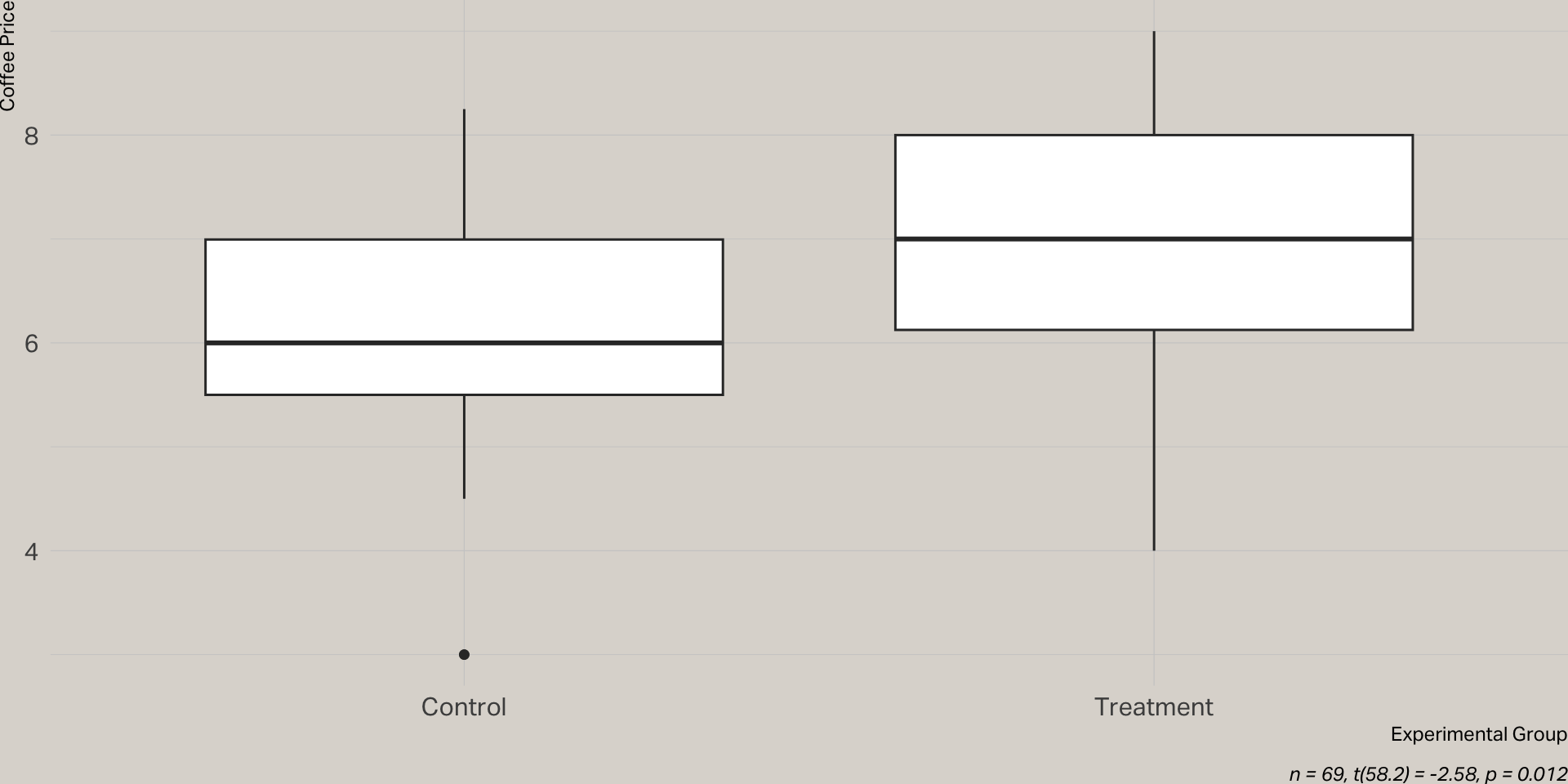
To demonstrate anchoring, consider a question I posed to a previous group of students in a weekend poll.
Control Group
Q: What do you think is a reasonable price for a large specialty coffee drink at an independent coffee shop near campus?
Treatment Group
Q: The most expensive coffee drink at the campus Starbucks costs $8.50. Now, thinking about coffee pricing in general, what do you think is a reasonable price for a large specialty coffee drink at an independent coffee shop near campus?
Avoid giving participants a starting number unless it’s deliberate.
Rotate order of numeric questions when possible.
Use open-ended before closed-ended (“What feels reasonable?” before “Would you pay $X?”).
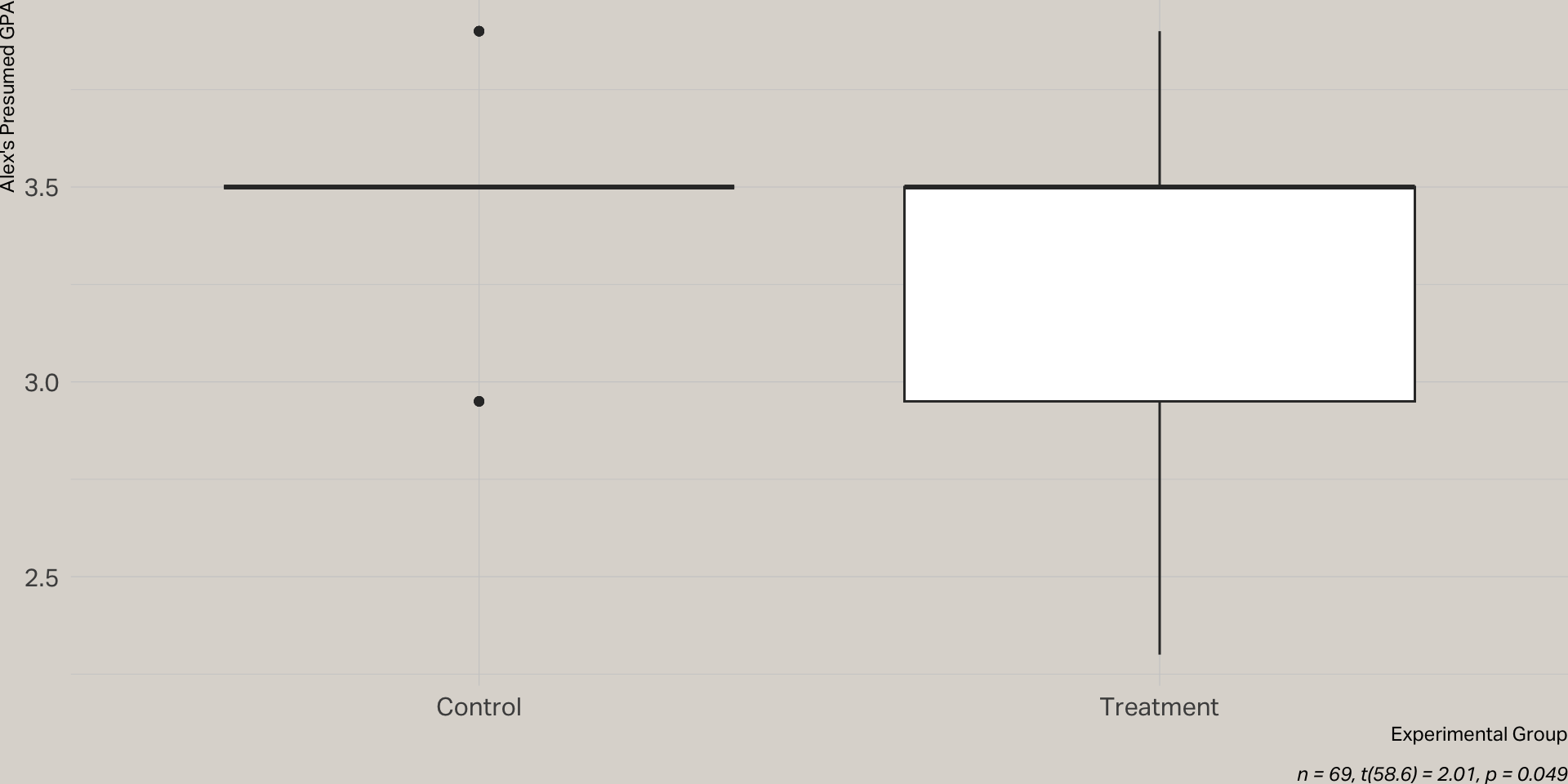
Another question I asked in a student poll.
Control Group
Q: Meet Alex: They are an undegraduate student here at USC. What do you think Alex’s GPA is most likely to be?
Treatment Group
Q: Meet Alex: They are an undegraduate student here at USC. They spend 6+ hours daily playing video games, often stay up until 3 AM gaming, have gaming posters all over their dorm room, and can discuss the latest game releases for hours. Alex is known around his residential college as ‘the gamer.’ What do you think Alex’s GPA is most likely to be?
Be careful describing participants or stimuli with traits that might trigger stereotypes.
Probe for exceptions (“Do all people like this fit that description?”).
Remind yourself to check against actual data, not perceived type.
Tendency to search for, interpret, and remember information in a way that confirms one’s preconceptions.
Social Desirability Bias
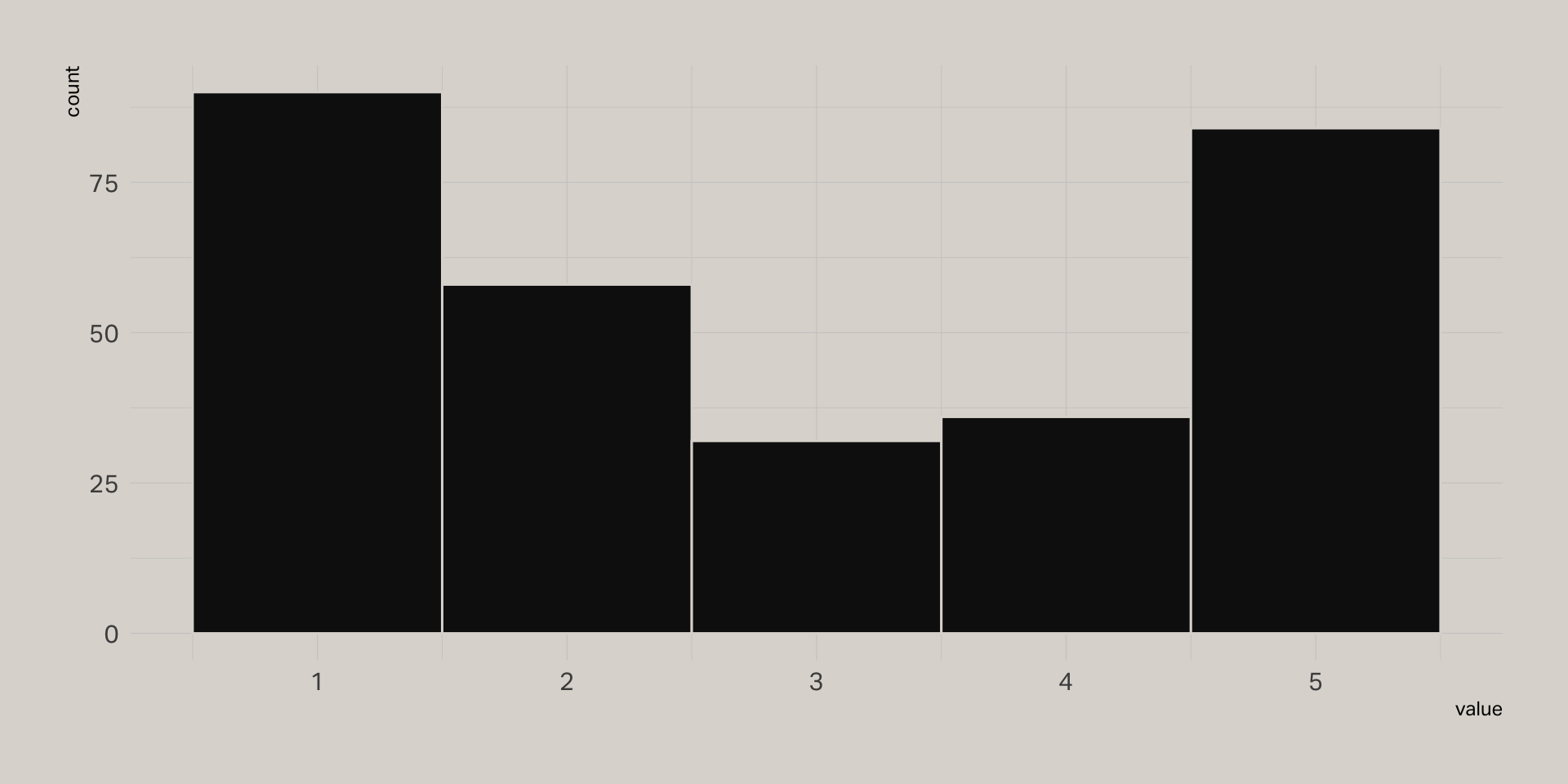
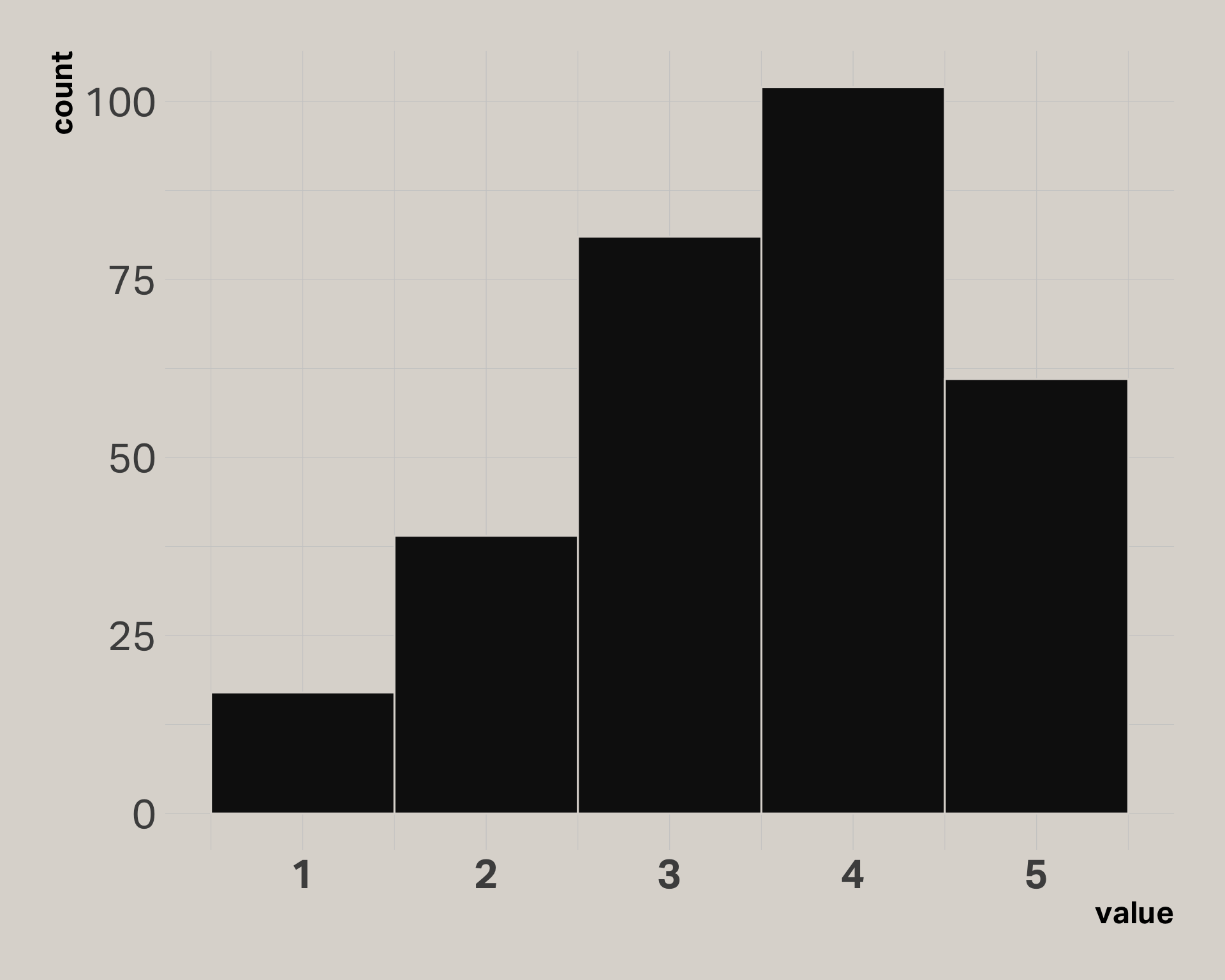
How much do you agree or disagree with the statements below?
1 = Strongly disagree
2 = Disagree
3 = Neither agree nor disagree
4 = Agree
5 = Strongly agree
How much do you agree or disagree with the statements below?
1 = Strongly disagree
2 = Disagree
3 = Neither agree nor disagree
4 = Agree
5 = Strongly agree

Examples:
Better approaches:
General rules of thumb:
In qualitative research:
How likely are you to purchase our new yogurt, which is 95% fat-free?
vs.
How likely are you to purchase our new yogurt, which contains only 5% milk fat?
Self-Selection Bias
The impact from the lack of response by significant groups in your sample who have material representation in the population of your study.

Social Pressure Biases