January 15, 2026
Planning Customer Research
Overview
How to think about the role of research in developing truly customer-centric marketing programs.
Larry Vincent
Professor of the Practice, Marketing
MKT 512
Marketing’s Purpose
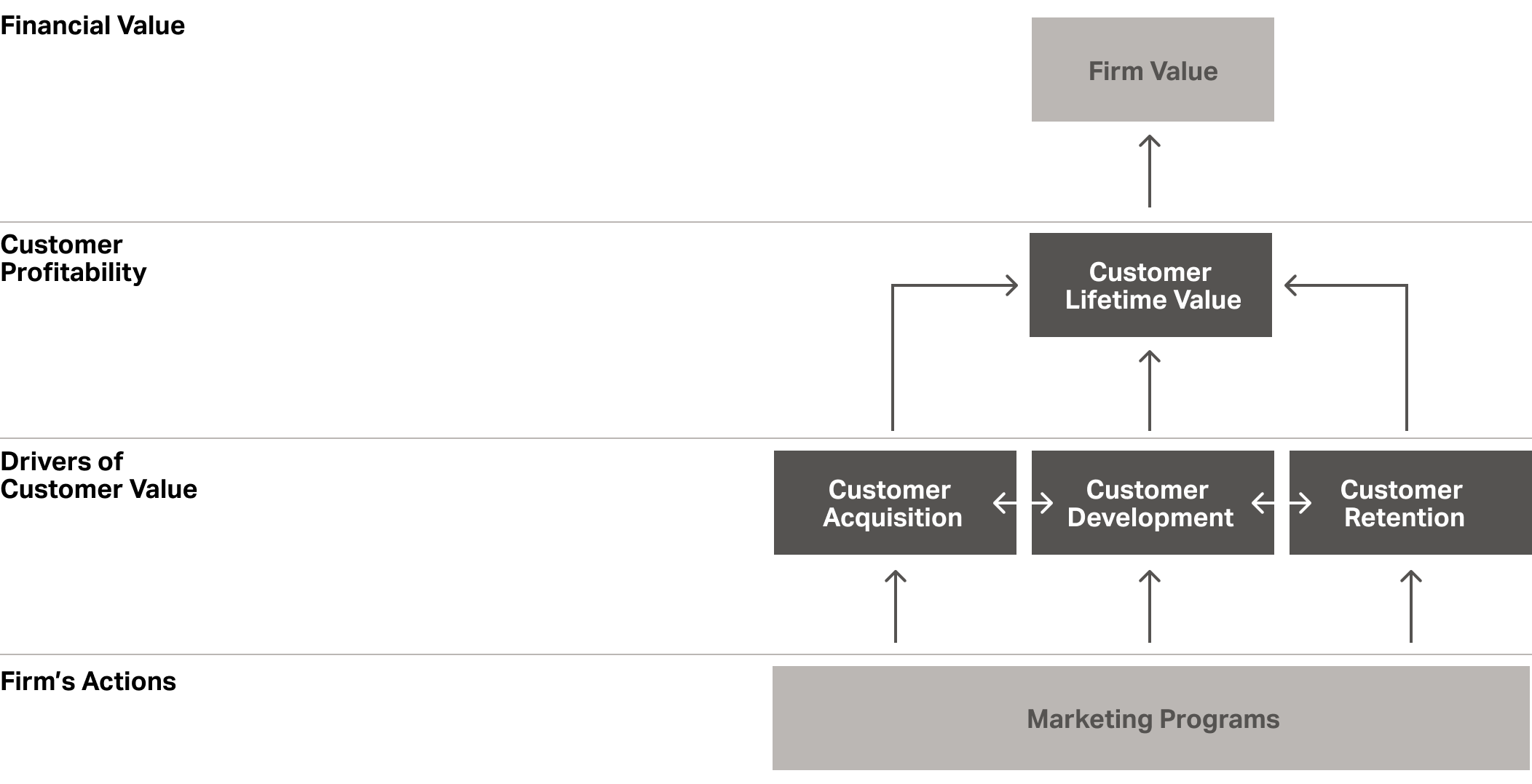
Acquire, retain, and develop customers who maximize the organization’s capability to achieve its financial objectives and sustain its competitive advantage.
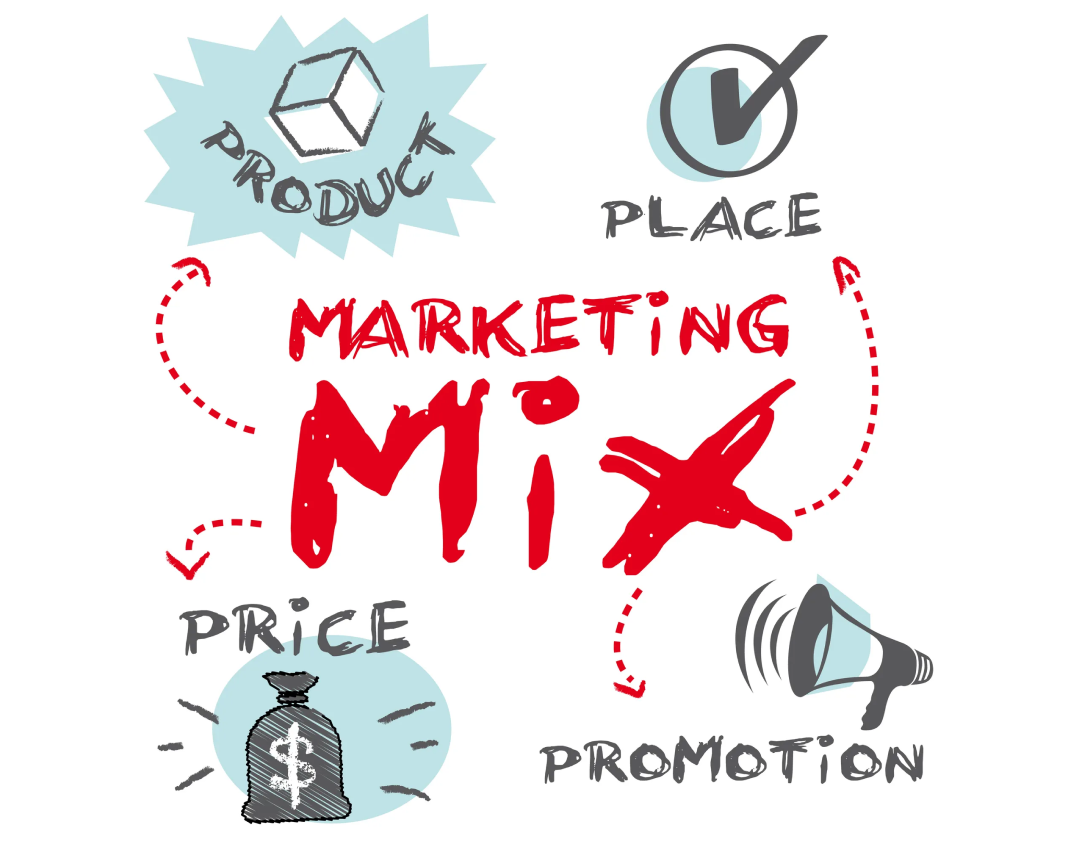
The Marketing Mix (4Ps) is our starting point
- Product
What we offer
(features, quality, design, brand)
- Price
What we charge
(pricing strategy, discounts, payment terms)
- Place
Where/how we sell
(distribution channels, locations, accessibility)
- Promotion
How we communicate
(advertising, sales, PR, digital)
But CRM is the Long Game
Customer Relationship Management (CRM) is the practice of designing and delivering programs that increase the value of customers to increase the value of the firm.
Behavioral psychology
Marketing requires an understanding of customer behavior. To understand and predict behavior, we focus on four dimensions of psychology.
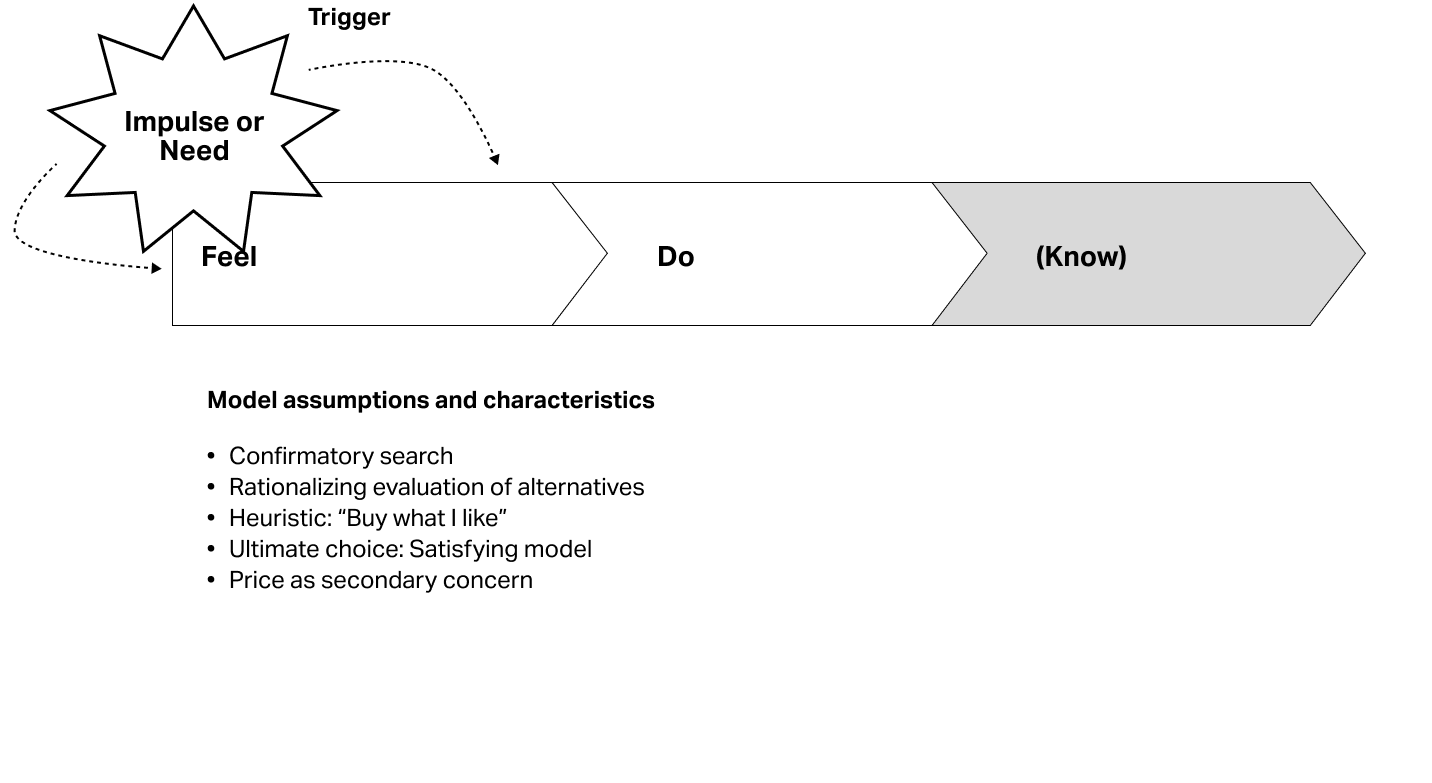
Customer Buying Journey
![]()
Default psychology (rational)
![]()
Would you ever expect this to be the process?
![]()
Hedonic model
![]()
When woul you expect this to be the process?
![]()
Habitual model
(low involvement)
![]()
Problem statement worksheet
![]()
Poorly framed research questions
- Do customers like our brand?
- How can we increase market share?
- Is our marketing effective?
- How many people use our service?
- Which name should we use for our new product?
Your turn
- Break into small groups
- You are a marketing research team at Starbucks
- First day sales of Pumpkin Spice Lattes are down 15% from the previous year
- Generate one or more customer-centric research questions
Four eseential components of a research plan.
- Objectives & Research question(s)
Define specific decision(s) you need to make and what you need to learn to inform that decision.
- Methodology
Select the research approach (surveys, interviews, experiments, observation) that best matches your objective and the type of data you need. Match qualitative methods to exploratory questions and quantitative methods to confirmatory hypotheses.
- Sampling Frame/Plan
Specify exactly who you will study, how you will access them, and what potential biases this might introduce. Ensure your sample can actually answer your research question and represents the population you care about.
- Analysis Plan
Decide before collecting data how you will recognize meaningful findings. Define what success looks like and what you need to rule out.
Sample plan
- What is the purpose of the study?
- Who is it targeting?
- How will the data be analyzed/used?
![]()
$200K spent. Lots of data and slides.
ZERO “so what.”
Former Student,
Marketing Manager in BioTech Firm
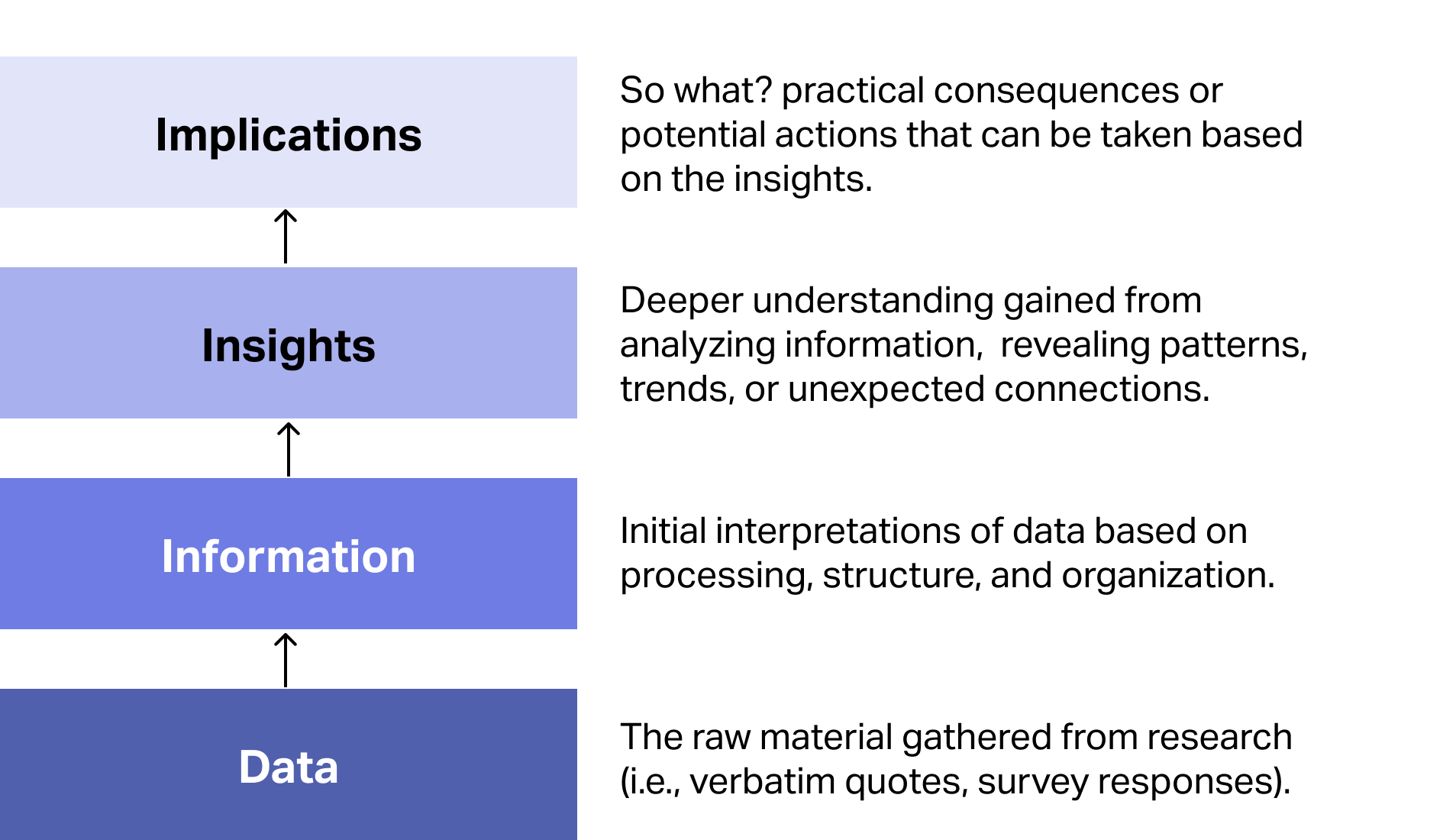
Hierarchy of data
![]()
Now is a good time
to have “the talk.”
Fieldwork and Ethics
- Global standard for ethical research (by ICC & ESOMAR).
- Protects participants, ensures honesty & fairness.
- Builds trust in research and credibility for researchers.
- Practicing it now = good professional habits for later.
Why ethics matters…
- Research relies on trust from participants, clients, and the public.
- One bad practice can harm individuals and damage the credibility of the entire field.
- If we don’t protect it, primary research becomes noisier, costlier, and less credible.
Five Core Principles
- Be honest and transparent.
Don’t mislead participants about what you’re doing.
- Do no harm.
Respect people’s dignity and wellbeing.
- Protect privacy.
Handle personal data carefully; safeguard identities.
- Build trust.
Don’t do anything that casts doubt about research practice.
- Take responsibility.
Whether you’re a lead researcher or part of a team, own your role in ethical practice.
Your responsibility to participants
- Respect voluntary participation–people can say no, or stop at any time.
- Generate informed consent–make sure participants understand what they’re agreeing to.
- Take special care with vulnerable groups–children, young people, or those with limited ability to consent require extra safeguards.
- Create a safe space for privacy–collect only the information that is necessary (“data minimization”), and protect it. Never use it for other purposes.
When in doubt…
Am I being transparent, respectful, and careful with data?
Am I treating research participants like I’d treat friend or a loved one if they were one of my respondents.
Am I acting in a manner that will ensure lasting trust for the practice of research.
USC Code of Research Conduct
![]()
All of the above, plus …
Accountability
Own your work. If you hit a snag, explain it rather than covering it up.
Fairness & Credit
Share work equitably in your team. Give proper credit to classmates and sources.
Data Stewardship
Keep data safe, and if you use your project later (e.g., for job interviews), make sure you protect confidentiality or sensitive information.